Advancing Inclusive Governance with the ‘Reserved Seats For Women’ Campaign
Countries that have adopted gender quotas and reserved seats consistently see stronger social policy outcomes, higher investment in health and education, and more inclusive governance overall.
Nigeria, however, continues to lag behind, with women holding less than 5% of seats in the National Assembly. This is not just a representation gap, it is a structural failure that limits policy effectiveness and weakens democratic legitimacy.
TOS Foundation’s Reserved Seats initiative was designed as a system-level intervention, aligned with SDG 5 (Gender Equality) and SDG 16 (Peace, Justice, and Strong Institutions). Our goal is not symbolic inclusion, but durable reform that embeds women’s leadership into Nigeria’s political architecture.
What We Have Achieved:
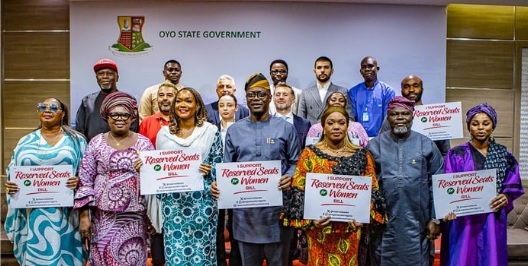
- Successfully moved the Reserved Seats Bill to third reading in the National Assembly
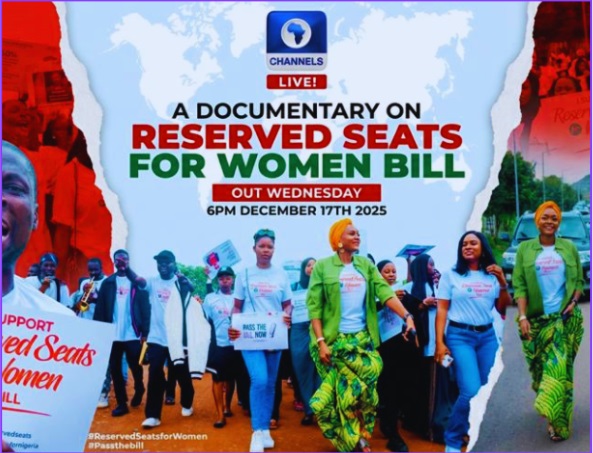
- Elevated the bill into a sustained national conversation, reframing women’s representation as a democratic and development imperative
- Secured endorsements from key legislators, governors from both ruling and opposition parties, and international development partners
- Produced and aired a nationally broadcast documentary on women’s political inclusion, reaching over 10 million Nigerians across five major TV stations (Arise, Channels, NTA, ITV, and AIT)
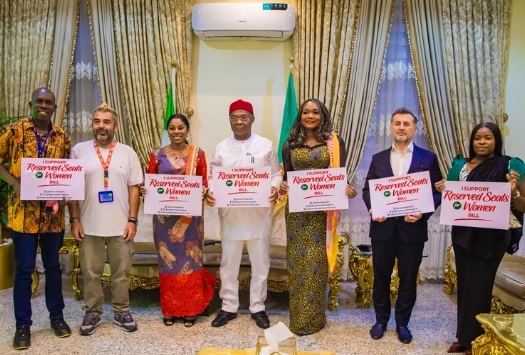
This work reflects deep political strategy, cross-party coalition building, and public engagement at scale. It also positions Nigeria closer to global commitments on gender parity in leadership.
With continued partnership, this initiative can help unlock long-term institutional change, not just electoral wins.
Strengthening Accountability in Government with 469tracker.com
Strong institutions depend on transparency, accountability, and informed participation. Around the world, civic technology tools are increasingly recognized as essential to democratic reform, aligning with SDG 16, particularly targets on accountable institutions and access to information.
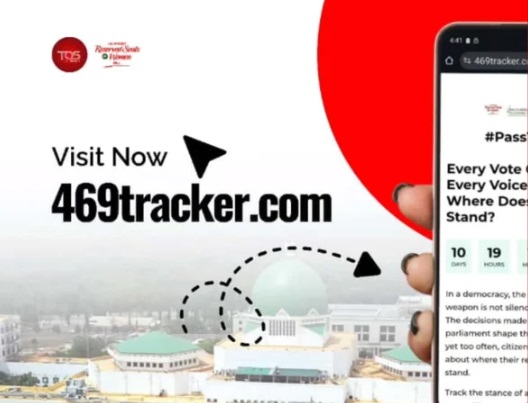
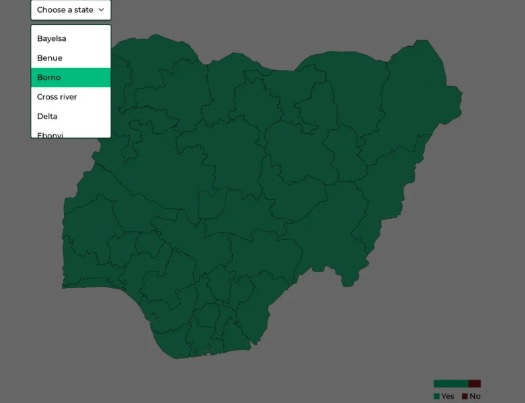
The TOS Foundation Africa 469Tracker platform was designed as a practical response to Nigeria’s accountability gap, offering citizens, civil society, and policymakers a clear window into legislative performance across the 469 members of the National Assembly.
Rather than positioning this tool as adversarial, TOS Foundation Africa took a collaborative approach, ensuring it could be integrated into institutional practice.
What We Have Achieved:
- Conducted hands-on training with the National Assembly, building internal capacity to effectively utilize the 469Tracker
- Introduced a standardized, data-driven approach to tracking legislative performance, representation, and policy engagement
Laid the groundwork for a culture of institutional self-accountability, rather than external pressure alone
This approach reflects a belief that sustainable reform comes from institutional buy-in, not just public critique. It also makes the 469Tracker a scalable model for other democratic contexts across Africa.
Reframing Family Planning as an Economic Priority with the ‘Shift The Needle’ Campaign
Globally, family planning is recognized as one of the most cost-effective development interventions, directly contributing to SDG 3 (Good Health and Well-being), SDG 5 (Gender Equality), and SDG 8 (Decent Work and Economic Growth). Yet in Nigeria, chronic underfunding continues to undermine these gains.
TOS Foundation Africa’s #ShiftTheNeedle campaign was intentionally designed to address the political and budgetary decision-making, as well as the awareness gaps at the state level where implementation happens.
What We Have Achieved:
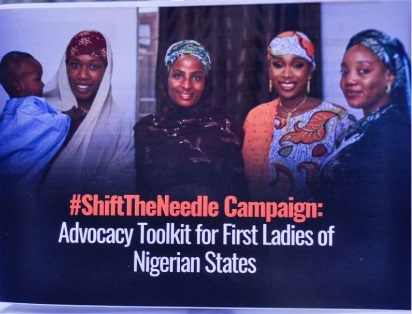
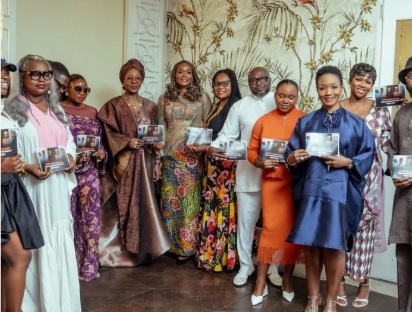
- Developed a comprehensive Family Planning Advocacy Toolkit for the Nigeria Governors’ Forum Spouses Organization
- The toolkit is currently being implemented across all 36 states, led by First Ladies as trusted champions within their local contexts
- Built practical advocacy capacity around budgeting, policy engagement, cultural sensitivity, and accountability mechanisms
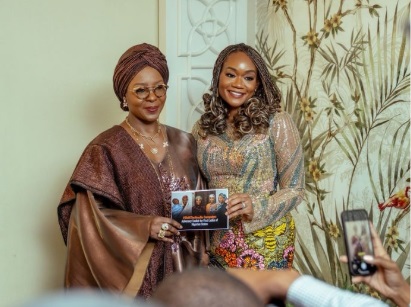
By working through First Ladies, the campaign leverages trusted influence, cultural legitimacy, and political access, ensuring that advocacy translates into real budgetary and policy outcomes.
This initiative demonstrates how targeted advocacy can turn global commitments into local action, and how women leaders can drive systemic change from within.
Building Human Capital for Long-Term Development with our Literacy Campaigns
Education sits at the heart of every sustainable development outcome. Without literacy, civic participation weakens, economic opportunity shrinks, and inequality deepens. For women and girls especially, education is one of the strongest predictors of health, income, and leadership.
TOS Foundation’s education and literacy work is grounded in SDG 4 (Quality Education) and SDG 5, with a focus on access, retention, and civic empowerment.
What We Are Building:
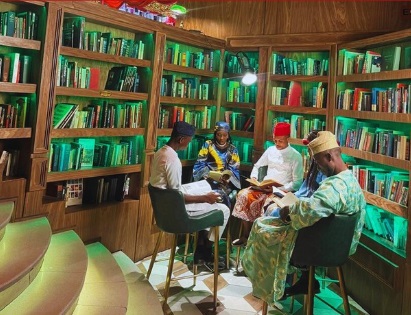
- Community-based literacy and learning initiatives for women who were excluded from formal education
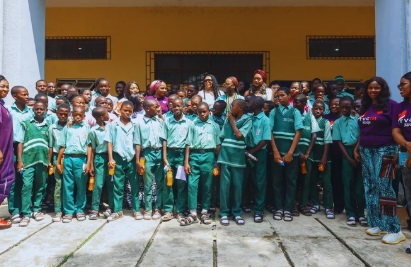
- School retention and civic education programs that support adolescent girls at critical transition points
- Pathways that connect literacy to leadership, participation, and economic agency
Rather than treating education as a standalone intervention, we approach it as foundational infrastructure, one that supports every other outcome we care about, from governance to health to economic resilience.
Unlocking Policy Changes with the Use of the Media
Policy change does not happen in a vacuum.
Social norms, public narratives, and cultural perceptions shape what leaders believe is possible or politically safe. That’s why media and advocacy are central to our theory of change.
Aligned with SDG 16 and SDG 17 (Partnerships for the Goals), TOS Foundation Africa uses the media as a strategic tool to connect evidence, lived experience, and public engagement.
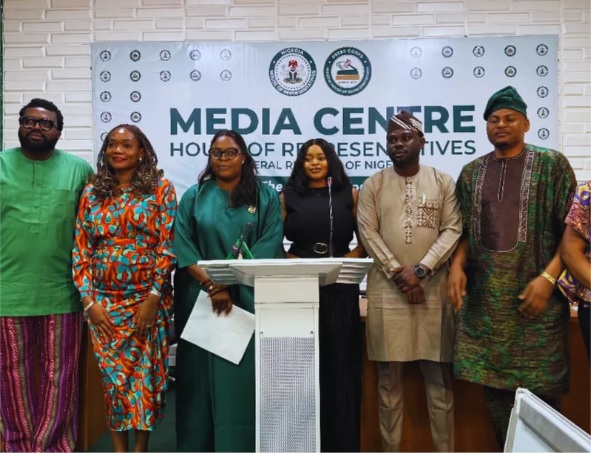
What We Have Achieved:
- Partnered with key strategic organizations to design public-facing advocacy campaigns that raise awareness around women’s leadership, governance reform, and reproductive health
- Engaged journalists, influencers, and cultural leaders to amplify narratives that humanize policy issues
- Built campaigns that speak simultaneously to policymakers, communities, and the broader public
Our approach recognizes that changing laws requires changing minds, and that durable reform depends on public understanding and support.
know more about TOS Foundation Africa
frequently asked questions
TOS Foundation Africa is a non-profit organisation founded in 2016 to advance equity, leadership, and inclusive development across Nigeria and Africa through policy reform, education, civic engagement, and women’s empowerment initiatives.
TOS Foundation Africa works across five key areas:
- Gender-Inclusive Governance
- Family Planning & Reproductive Justice
- Education Access & Literacy
- Civic Technology & Accountability
- Narrative Change & Strategic Media
We combine research, community leadership, policy advocacy, and technology-driven accountability tools to address root causes of inequality rather than temporary solutions.
Participants receive:
- Political literacy training
- Strategic communication skills
- Leadership development
- Fundraising strategies
- Legislative exposure
- Access to a strong leadership network
The programme is for:
- Aspiring and current politicians
- Women in public service or civil society
- Female advocates and changemakers
- Professional women transitioning into governance or public leadership
You can support TOS Foundation by:
- Partnering on programmes
- Participating in initiatives
- Supporting advocacy campaigns
- Collaborating on research or community projects